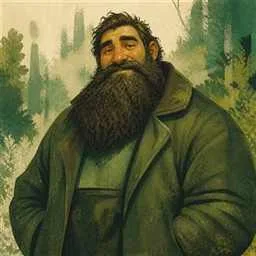
Rubeus Hagrid introduces Harry to the wizarding world and becomes one of his first trusted friends. In Philosopher’s Stone, his generosity, love of creatures and difficulty keeping a secret are woven through the adventure.
Who Hagrid is in book one
Hagrid works at Hogwarts as Keeper of Keys and Grounds. The official encyclopedia connects him with the school and with magical creatures. For Harry, his importance is immediate and personal: Hagrid brings the explanation that the Dursleys have withheld and helps him make his first journey into magical life.
Our interpretation: his scale is only one part of the introduction. The more revealing contrast is between how intimidating he might look and how warmly he treats Harry. A birthday greeting, practical help with shopping and patient explanations all alter Harry’s experience of adults. That warmth also makes later mistakes complicated. Caring about someone and having reliable judgement in every situation are different qualities, and the first book allows Hagrid to possess one more consistently than the other.
Book context: Philosopher’s Stone, chapters 1, 4–6, 11, 14–17.
Book-one spoilers: Key book-one moments
Book-one spoilers: Hagrid delivers baby Harry at the beginning and returns to Harry’s life around his eleventh birthday. His trip with Harry through Diagon Alley supplies school equipment, the visit to Gringotts and an introduction to the wider magical community. The business concerning a small package also feeds the later mystery.
Hagrid’s affection for dangerous creatures becomes important through Fluffy and Norbert. His enthusiasm creates difficulties that the children try to manage. In the Forbidden Forest, his knowledge of the grounds places him in another kind of guiding role, with a very different atmosphere from the shopping expedition. Reading these episodes together shows how often he takes Harry across a threshold: into a shop, a secret, a habitat or a danger the child does not fully understand.
Book context: Philosopher’s Stone, chapters 1, 4–6, 11, 14–17.
Hagrid in the 2001 film
Robbie Coltrane plays Hagrid in the first film. Compare the arrival at the hut with the quieter exchanges around his home at Hogwarts. The first encounter has the force of an interruption; the later conversations depend on familiarity. An audience needs to believe both that he can overwhelm a room and that the children want to spend time with him.
Our view: Hagrid’s creature stories are especially revealing adaptation material because affection and risk occupy the same scene. His delight can invite the audience to enjoy an animal while the situation shows the practical problem. Compare how the book and film guide that double response. A creature can be fascinating without making Hagrid’s assessment of its danger correct, and the humour depends on keeping those positions visible.
Primary comparison: released film.
A bridge into the magical world
Hagrid is useful to read as a host as well as a keeper. He welcomes Harry into spaces where other people already know the rules. Our interpretation is that his informal explanations make the world feel inhabited: it contains shopping habits, loyalties, gossip and strong opinions, rather than only lessons and spectacular magic.
His bond with Harry also gives mistakes emotional consequences. A secret matters differently when it comes from someone the children love. Instead of classifying every adult simply as helpful or unhelpful, the first novel invites readers to consider limits within a trusting relationship. On a reread, notice when Harry accepts an explanation because Hagrid gives it, and when experience requires the children to ask a further question. The friendship remains warm even as their judgement develops.
Book context: Philosopher’s Stone, chapters 1, 4–6, 11, 14–17.
Discussion: affection and judgement
Our view: Hagrid is a good character for discussing how to disagree with someone you trust. Affection may explain why a creature matters to him without proving that keeping it is sensible. The children’s loyalty creates a genuine difficulty because challenging his judgement can feel different from challenging someone who has treated them badly.
On a reread, choose a moment when Hagrid explains a creature. Separate description from evaluation: what can the creature do, and what does he think that means for the people nearby? Then compare the children’s reactions. The scene can hold several attitudes at once, which is one reason the humour survives beyond the immediate surprise.
For the film, listen to the relationship between a reassuring voice and an alarming image. Sound and picture can invite two responses simultaneously. A reading group does not need technical vocabulary to explore it: ask when you believe the reassurance and when you start worrying for everyone else. This keeps attention on how the scene works rather than on whether a creature is simply a favourite. It also connects Hagrid’s warmth with the practical responsibilities of caring for living things.
Compare his welcome with Ollivander’s expertise: both help Harry, but through distinctly different relationships.
Book context: Philosopher’s Stone, chapters 1, 4–6, 11, 14–17.
What to watch for in the series
Questions for viewing and discussion:
- What ordinary conversations will establish Hagrid’s friendship with Harry beyond the birthday revelation?
- How will creature scenes preserve his affection while making the risks clear?
- What balance will the series find between his role at Hogwarts and his informal home life?
- How much of Norbert’s book storyline will become part of the adaptation?
- How will the Forbidden Forest change the feeling of being guided by someone Harry trusts?
Read and listen
Hagrid’s first-year story is spread across several different kinds of chapter. Read the birthday and shopping sequence for welcome, the dragon material for misplaced confidence, and the forest for atmosphere and knowledge of place. With an audiobook, listen to how affection changes the meaning of his descriptions of creatures. An unabridged reading retains the fuller Norbert sequence, useful when comparing the novel with the film’s more compressed treatment. Our responsible locations guide is the place for real visits: a fictional welcome to Hagrid’s home does not imply public access to working production spaces.
Compare print editions · Choose an audiobook · More character guides