Cast profile
Paul Whitehouse: Argus Filch in the Harry Potter HBO Series
Paul Whitehouse plays Argus Filch in HBO’s Harry Potter series. Explore the announced role and earlier work.
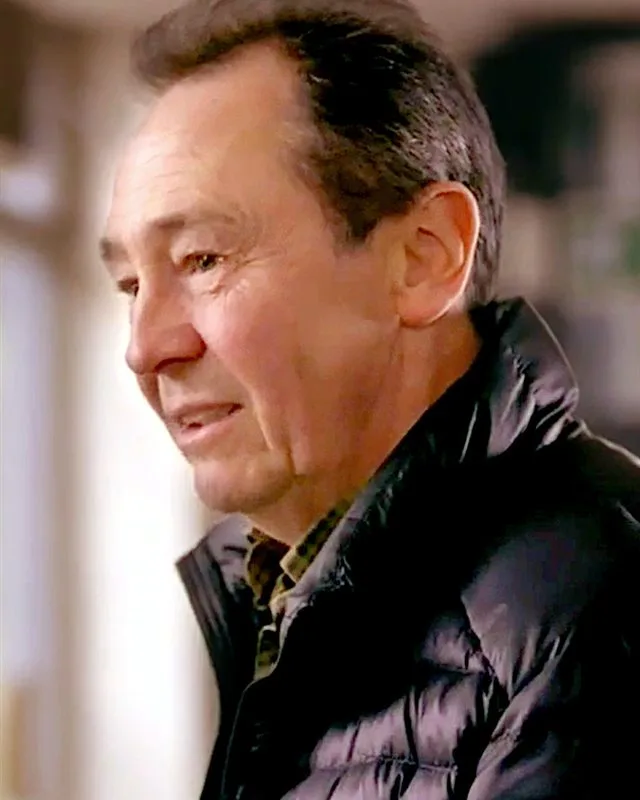
Paul Whitehouse plays Argus Filch in HBO’s Harry Potter series. The Fast Show and Mortimer & Whitehouse: Gone Fishing provide two contrasting introductions to his earlier television work: compact comic characters and a gentler programme built around conversation and fishing.
Paul Whitehouse’s Hogwarts role
Official: HarryPotter.com lists Whitehouse as Argus Filch, Hogwarts’ caretaker. He was included in the first official announcement of six Hogwarts staff actors. Our Filch guide explains where the character fits into Harry’s first year, while the cast directory connects the other adults at school.
Our rereading suggestion: think about school through the eyes of somebody responsible for its corridors rather than its lessons. A child’s adventure and an adult’s daily work can look very different. That difference offers a useful way into discussing Filch without forgetting that Harry and his friends are usually the people whose worries guide the reader.
The Fast Show and comedy work
Official: BAFTA’s television awards history identifies Whitehouse’s recognition for The Fast Show, including his 1998 Light Entertainment Performance win. Its 2009 winners release describes him as a four-time winner while recording the Comedy Programme award for Harry & Paul. The source dates matter when using a historical total.
Our viewing suggestion: a sketch programme is a good place to notice how rapidly an actor can make a character legible. A voice, posture or way of beginning a sentence can establish an entire social encounter. Follow the moment before a punchline and consider how much the audience has already understood.
If you know a familiar quotation, try watching the complete sketch around it. The memorable words may be only the final step in a much longer construction. The other performers, the setting and the pauses all help a repeatable line feel like a person speaking. That collaborative detail can get lost when a sketch is remembered only as a catchphrase.
Gone Fishing and a different pace
Official: the programme’s own website describes Mortimer & Whitehouse: Gone Fishing as a multi-BAFTA-nominated show first broadcast on BBC Two in 2018. It presents Whitehouse and Bob Mortimer spending time by a river in pursuit of a chosen fish.
Our viewing suggestion: this offers a slower route to the performer than a compilation of comic characters. Watch how a conversation makes room for an interruption, a practical task or a change of subject. A programme can be funny through the relationship between people as much as through a prepared joke.
For readers drawn to the countryside, it can also be enjoyable to notice how an activity gives a conversation structure. Waiting, trying again and sharing a small success create a different pace from a sketch. Those qualities belong to this programme’s appeal; they need not be turned into predictions about an unrelated fictional character.
Awards and where to watch in the UK
Our recommendation is to choose the format you are already in the mood for. A short sketch can make a lively introduction, while an episode of Gone Fishing asks you to settle into a conversation. Read each programme’s own content guidance when choosing for a family; sharing an actor with Harry Potter does not establish a shared audience.
A Filch reread can be very different again. Note how a rule changes the atmosphere before anybody breaks it, and how the possibility of being caught affects the children’s decisions. Consider whether the humour comes from a punishment itself, the fear of it or the way one pupil talks about it afterwards.
Next: Argus Filch, Peter Serafinowicz and the Hogwarts guide.
A comic character in a shared setting
Our reading-group exercise: consider a corridor scene from the perspective of the person trying to keep order. What is at stake for the children, and what would the adult say the problem was? Comparing those answers can uncover humour without asking everyone to sympathise with the same person. It also gives a performer’s entrance a context: the audience already understands whose plans might be interrupted, and why somebody would prefer not to be noticed.
Sources
- Official — Current cast.
- Official — BAFTA 1998 television awards.
- Official — BAFTA 2009 winners release.
- Official — Mortimer & Whitehouse official programme website.