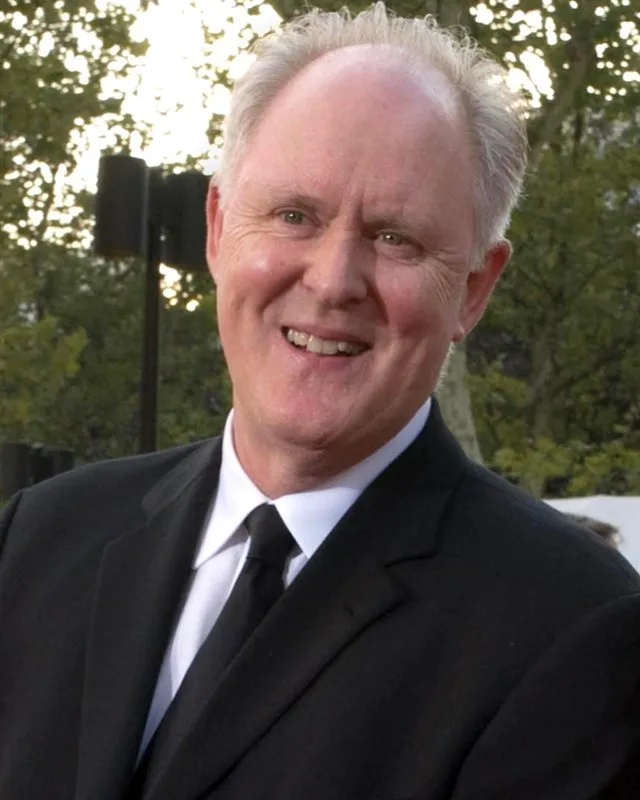
John Lithgow plays Albus Dumbledore in HBO’s Harry Potter series. His earlier television work offers three very different starting points: the comedy of 3rd Rock from the Sun, the menace of Dexter and the historical drama of The Crown.
John Lithgow as Dumbledore
Official: HarryPotter.com lists Lithgow as Albus Dumbledore, alongside Janet McTeer as Minerva McGonagall and Paapa Essiedu as Severus Snape. For the character’s place in Harry’s first school year, follow our Dumbledore guide. The cast directory brings together the other announced teachers and students.
Our reading suggestion: begin a Dumbledore reread by looking at how he speaks to different people. The reassuring adult Harry sees and the headmaster managing a dangerous school have different demands on their attention. Watching an actor negotiate authority, humour and attention elsewhere can be an enjoyable introduction before returning to the book. It also leaves room to discover the new performance on its own terms.
Career highlights worth starting with
Official: the Television Academy identifies Lithgow’s Dick Solomon in 3rd Rock from the Sun, his Dexter role and his Winston Churchill in The Crown among the performances that earned his Emmy awards. These are useful introductions because they lead to different kinds of acting: a broad comic lead, a dramatic guest performance and a supporting historical character.
Our viewing suggestion: try the comedy first if you mostly associate the actor with imposing figures. A comic performance offers a particularly clear opportunity to notice timing: when an actor interrupts, leaves a silence or lets an apparently confident statement fall apart. You can then compare a quieter dramatic scene without assuming that one approach describes the whole career.
Official: Masterworks Broadway entries Lithgow’s Broadway debut in The Changing Room and the Tony and Drama Desk awards he won for that performance. Stage work is a useful companion to the television credits, especially for viewers interested in how an actor holds attention through language and a sustained exchange rather than editing.
Awards, with the category kept clear
Official: the Television Academy biography entries six Emmy wins, covering Amazing Stories, Dexter, The Crown and three wins for 3rd Rock from the Sun. The Academy’s profile is the appropriate place to consult individual categories and years. Its historical biography and awards entries should be read as dated entries, rather than a promise that the total will remain unchanged.
Our recommendation is to use those awards as routes to performances rather than a league table for the Hogwarts cast. Comedy, historical drama and a guest arc ask different things of an actor. A trophy total cannot tell a new viewer which series will suit their evening, nor can it explain a performance in isolation.
Where to watch earlier work in the UK
Official service checked on 17 October 2026: Netflix’s UK page for The Crown is a current route to the series. Check the service’s own episode and subscription information before joining. Availability for other titles has not been established here.
For a short introduction, select an episode that includes Churchill from the service’s descriptions and watch a full scene before seeking clips or compilations. It is easier to follow a performance when the surrounding relationship and stakes remain intact. If you are choosing for a household, read the service’s age and content information separately from the fact that the actor is joining Harry Potter.
Next, compare the Dumbledore character guide, Janet McTeer’s profile and our creative-team guide. For the new series itself, the UK viewing guide keeps its release information together.
An invitation for book groups
Our book-group suggestion: discuss what makes an adult seem approachable. One reader may respond to humour, another to a calm explanation and another to somebody taking a child’s question seriously. Compare those reactions before revisiting a Dumbledore passage. It is a useful way to recognise that readers can enjoy the same character for different reasons, and it gives a later conversation about performance something more precise than whether an actor matches a mental picture.