Hogwarts field notebook
Explore places, objects, creatures and everyday school life with evidence labels kept visible.
Open the notebook →The illustrated reading room
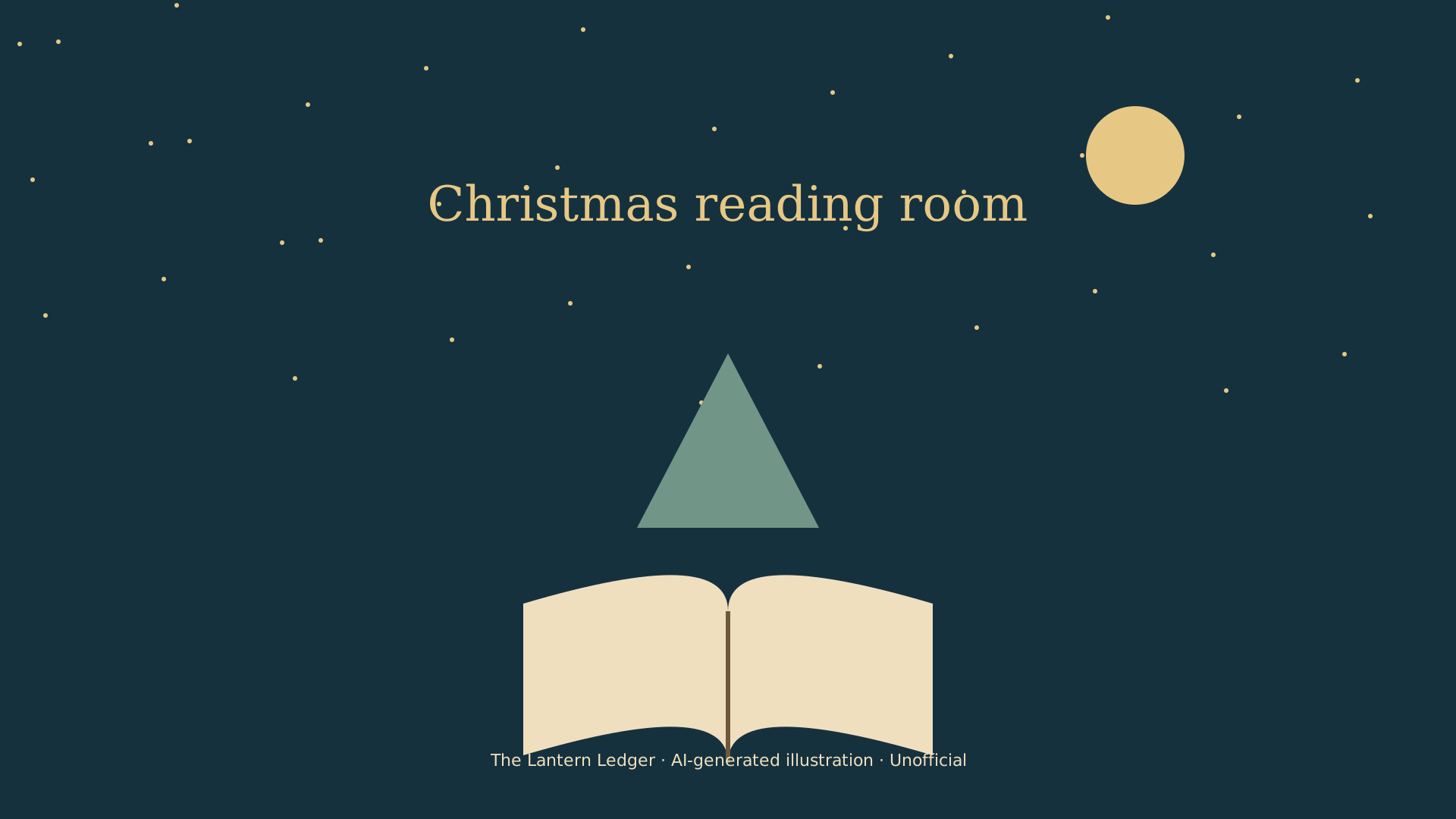
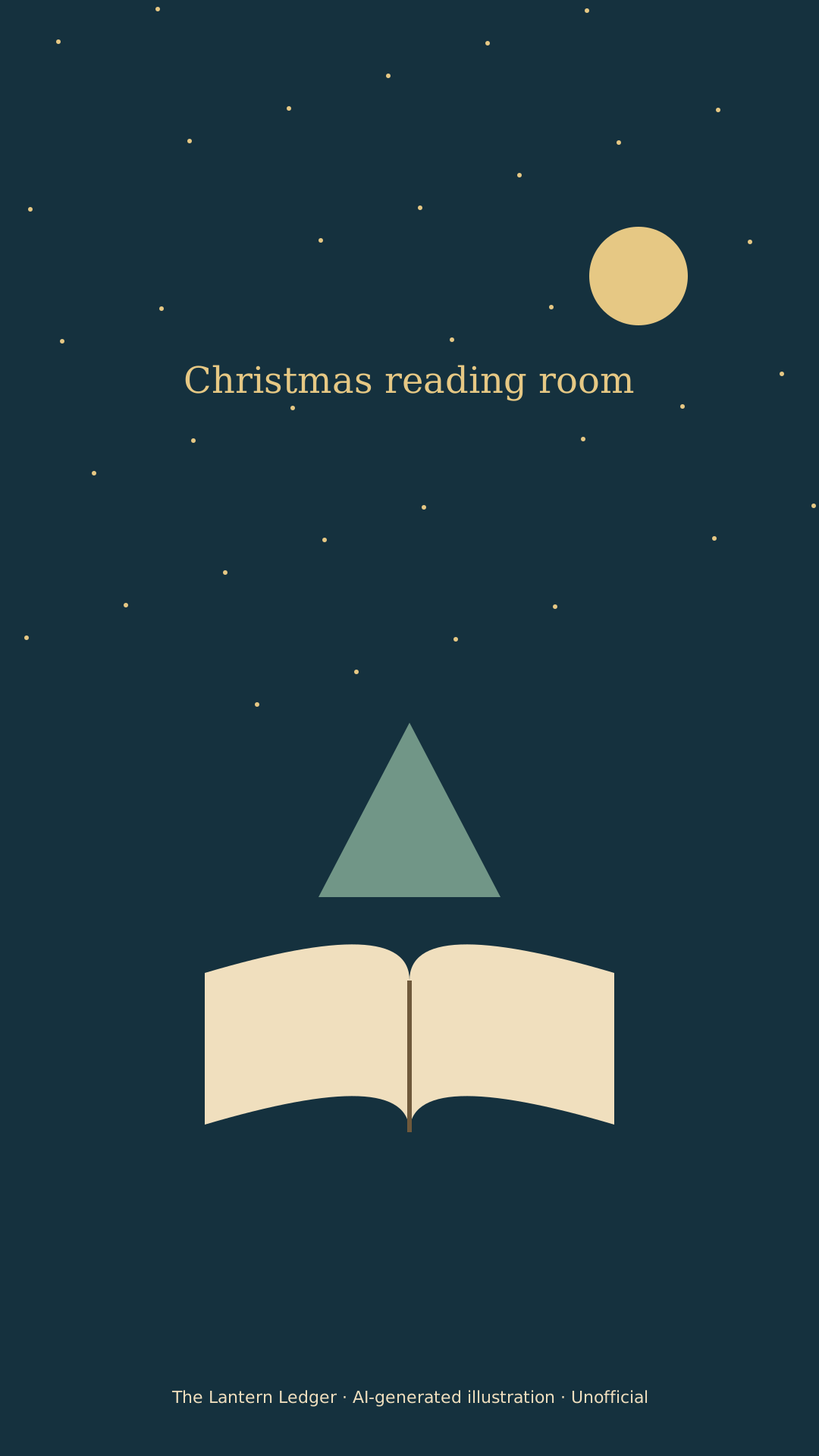
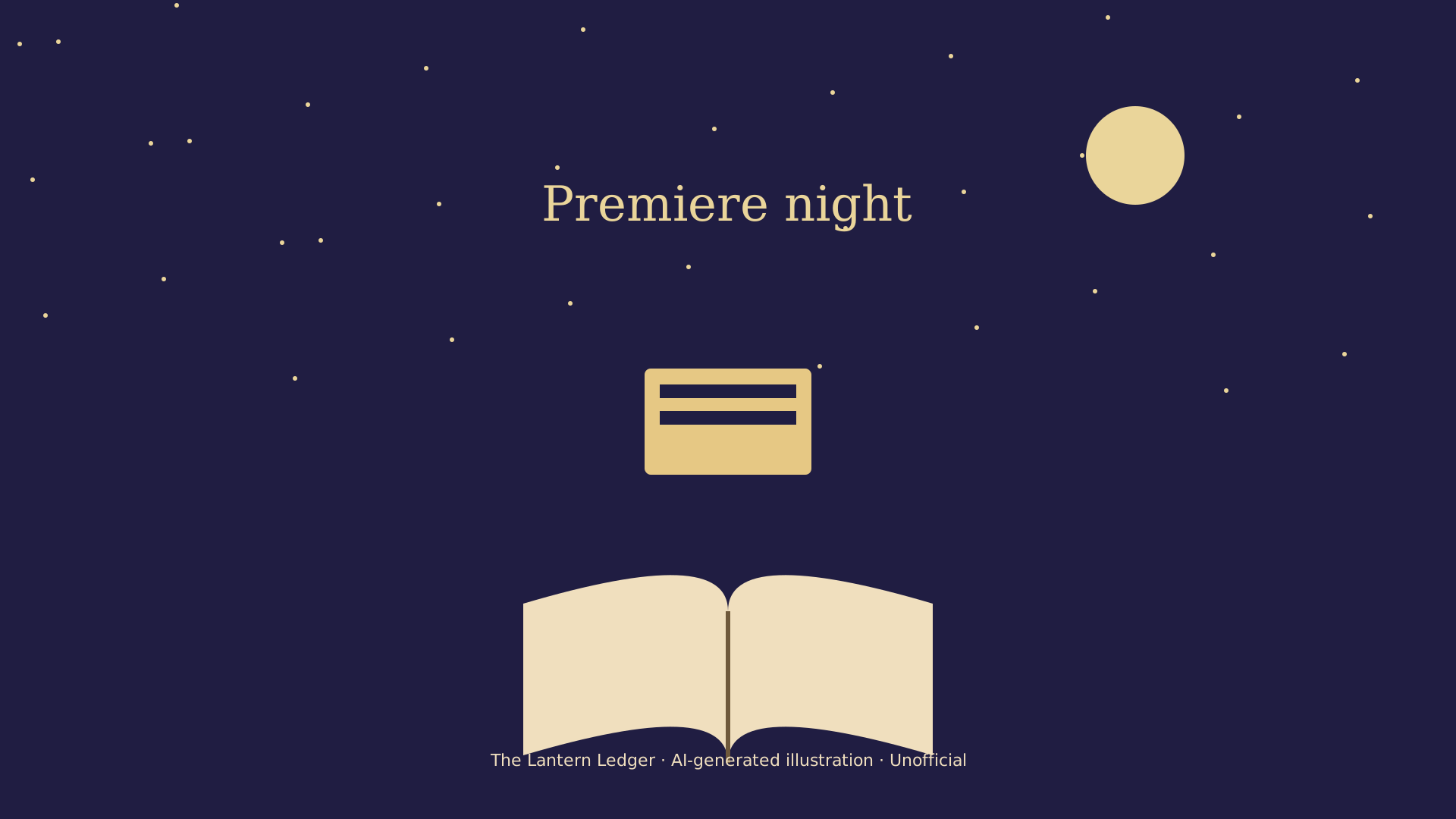
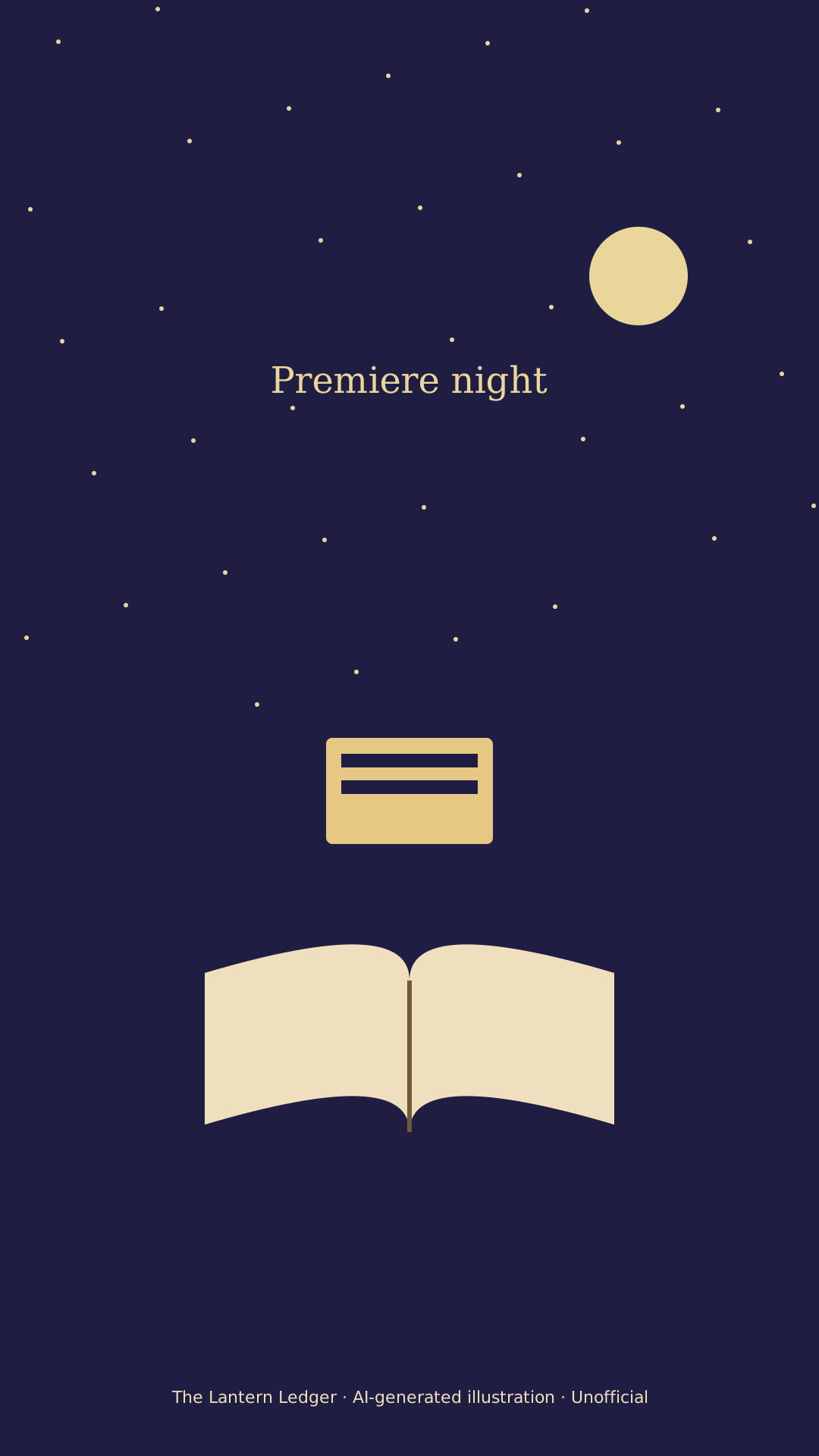
Original fan-art field notes
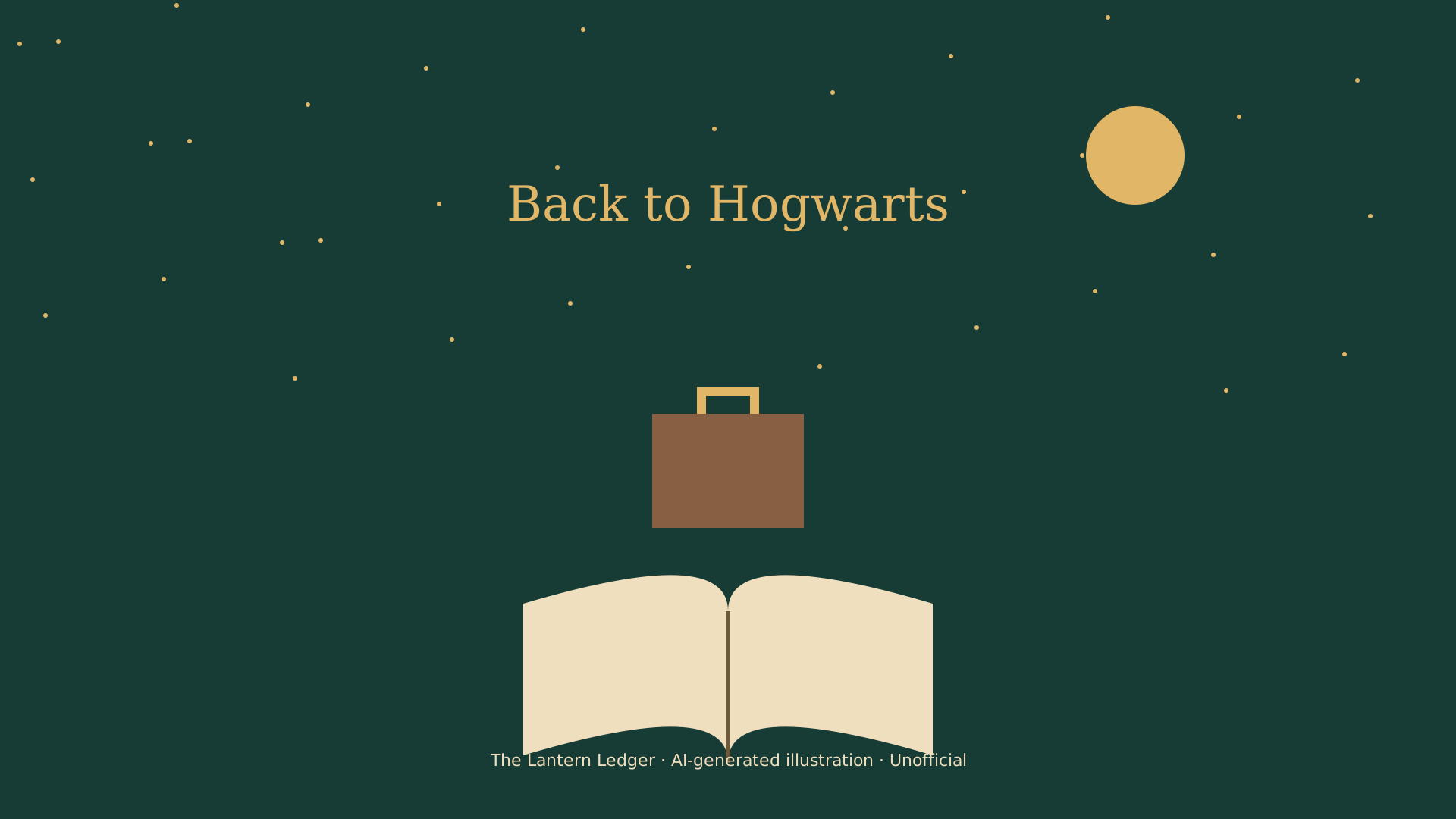
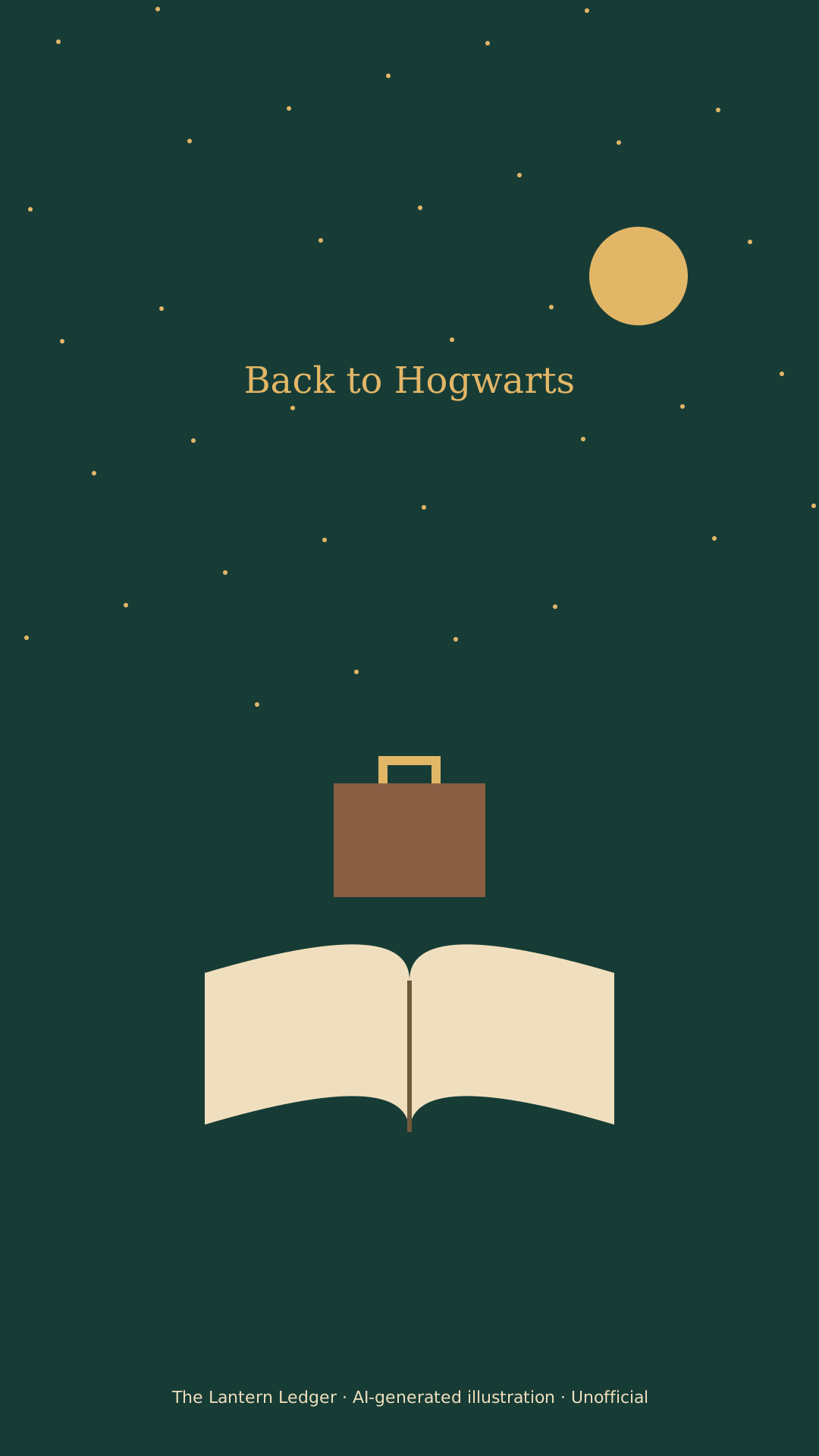
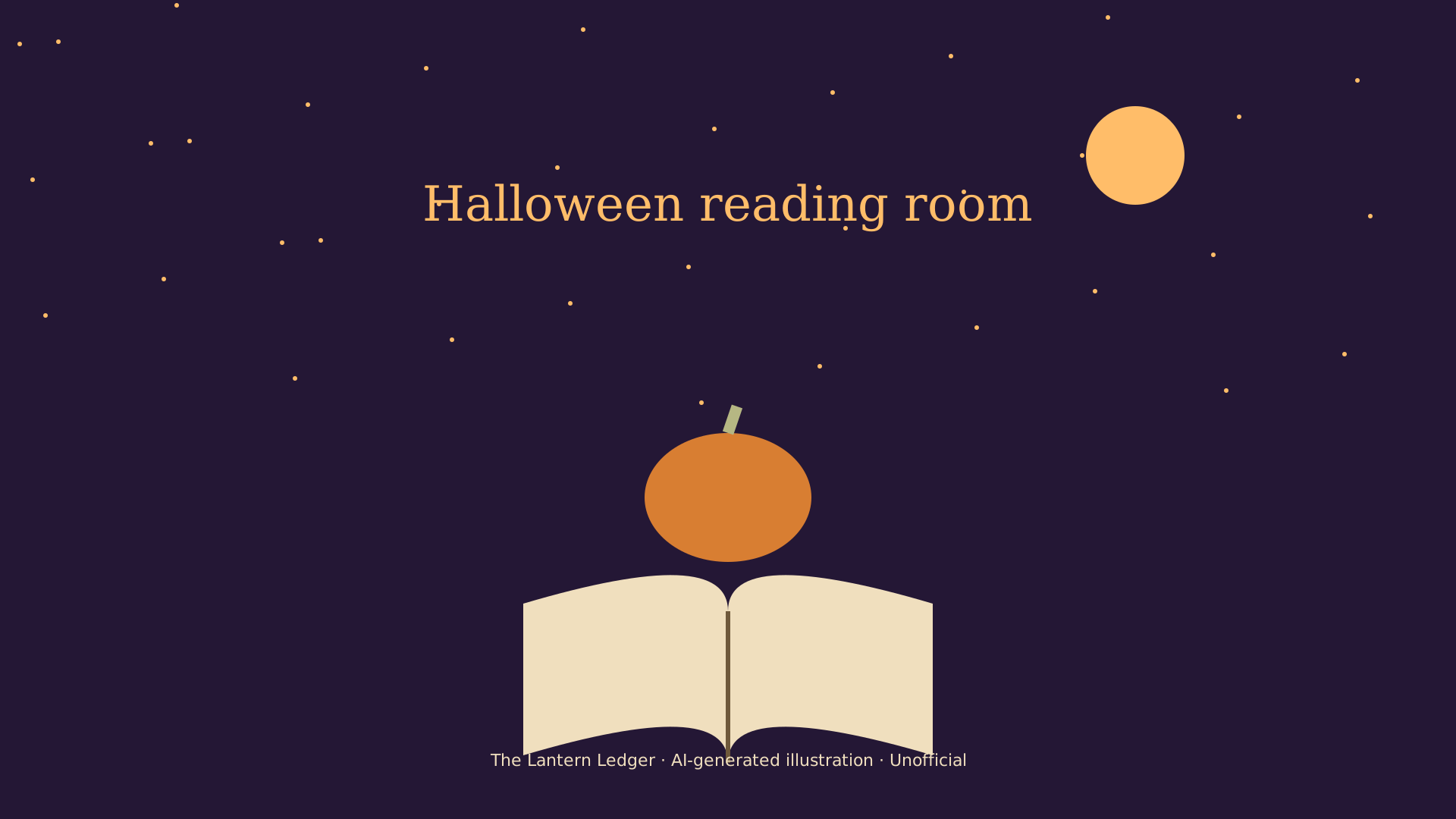
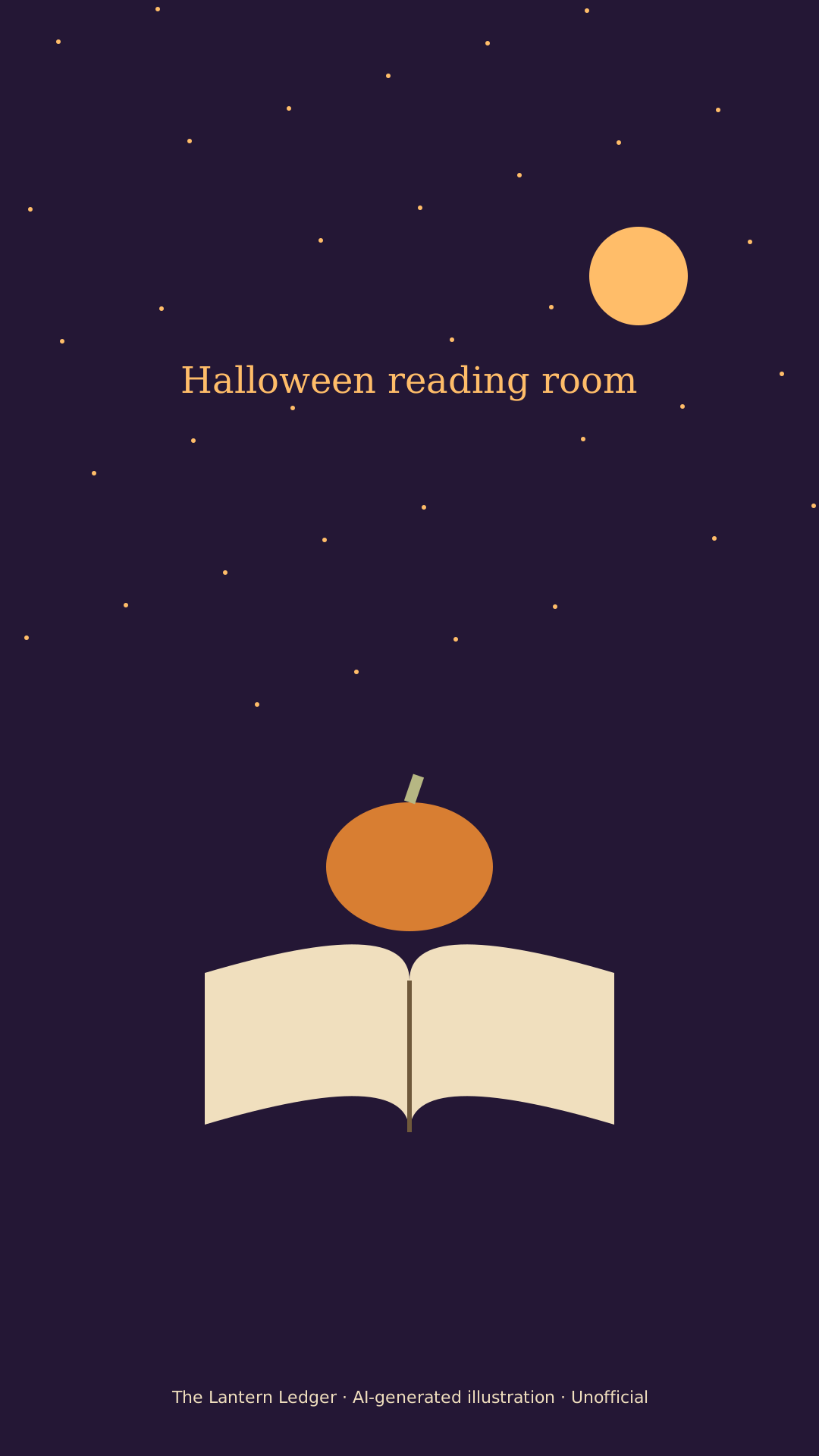
Three atmospheric studies created for The Lantern Ledger. They are fan interpretations—not production artwork, concept art or evidence of the television series.
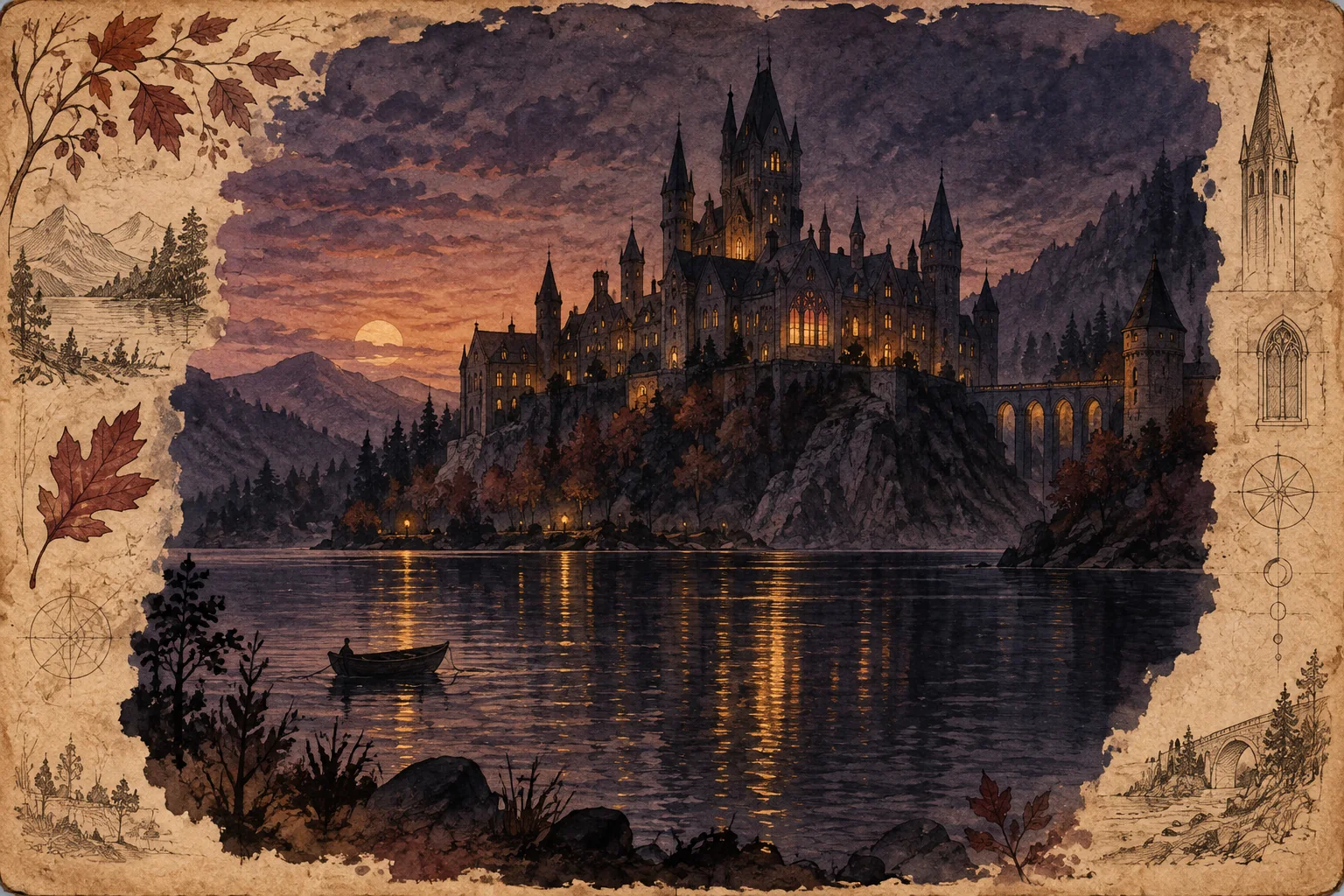
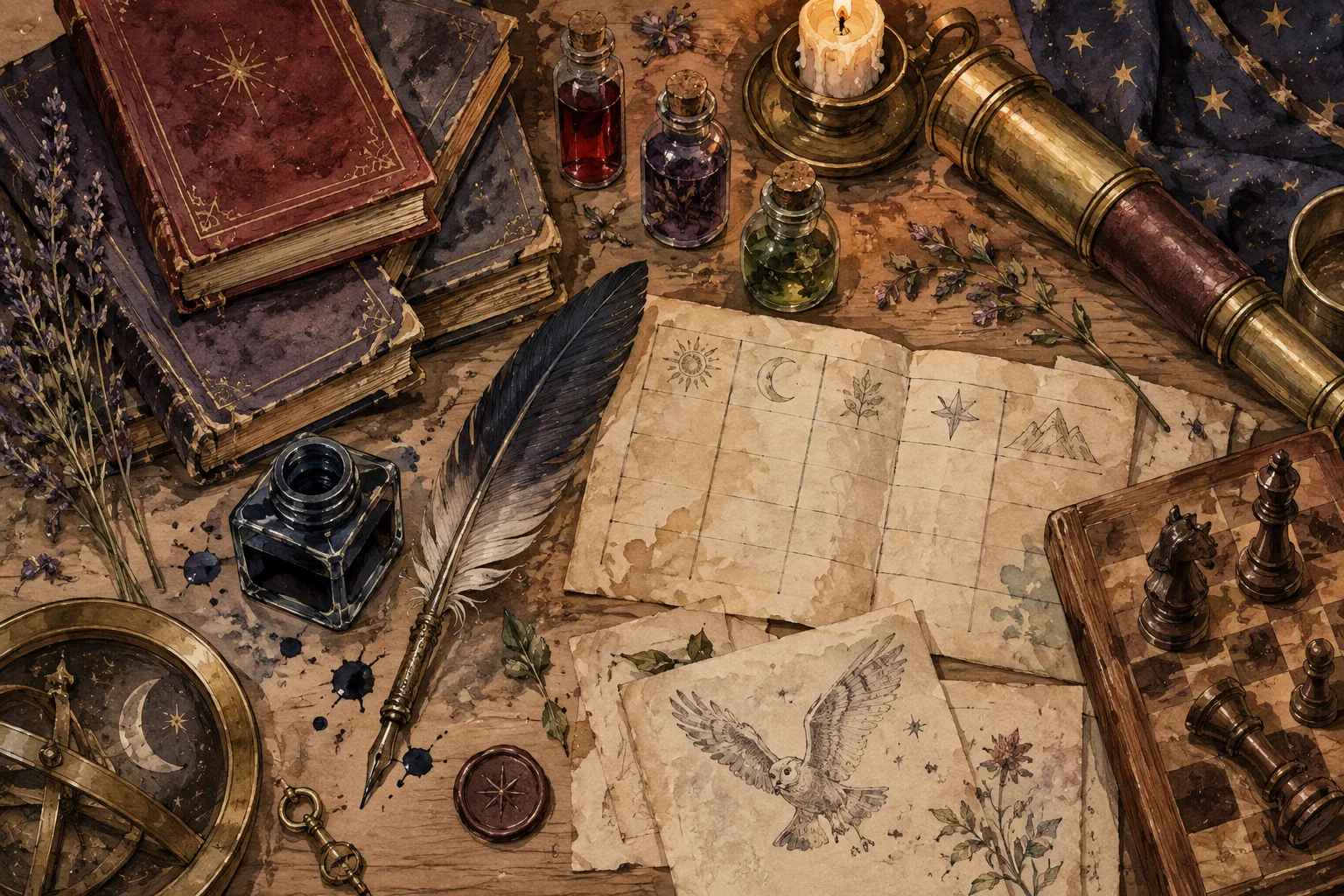
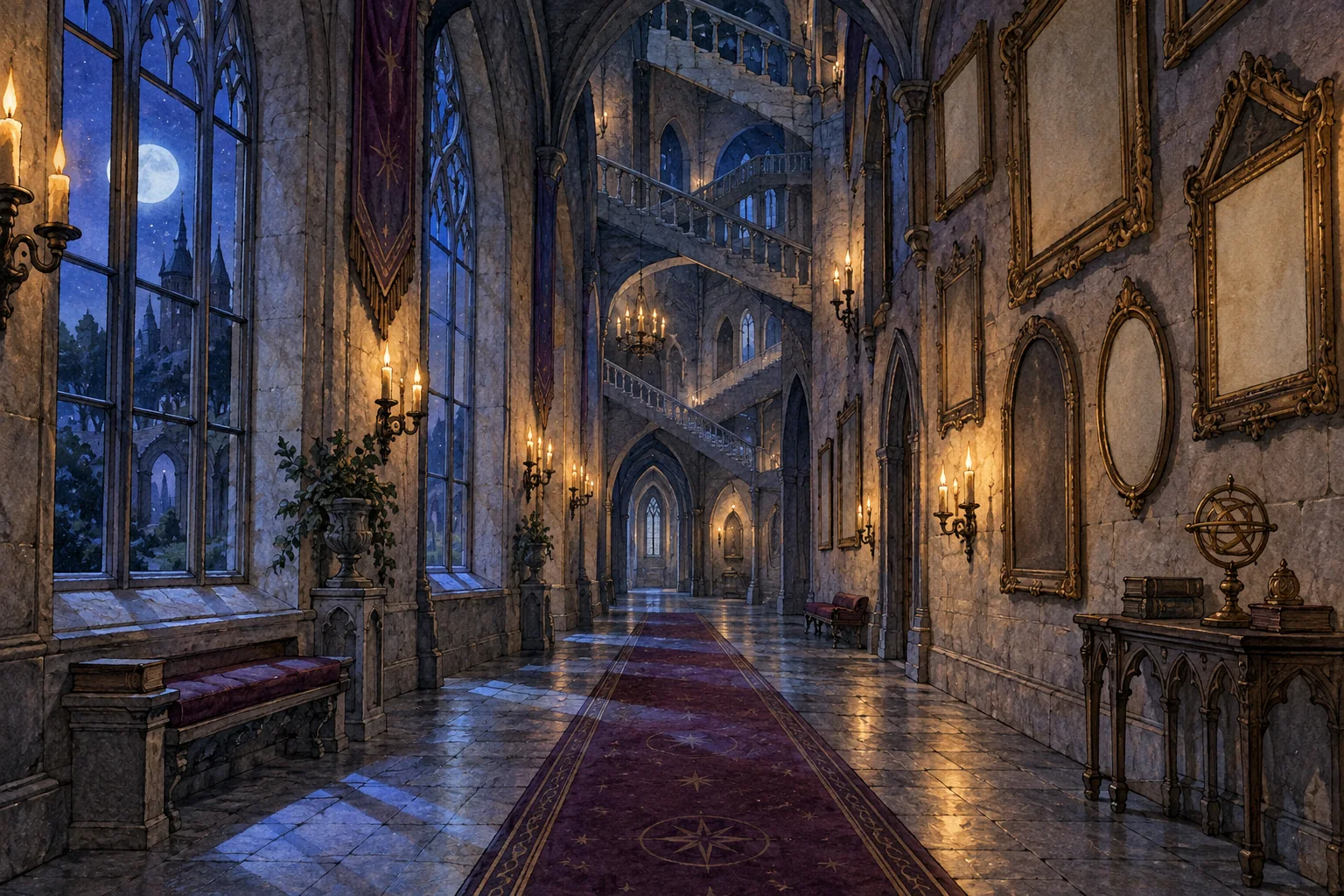
These images may be shared for personal, non-commercial fan discussion when credited to The Lantern Ledger. Commercial reuse, resale and representation as official artwork are not permitted.
Read beside the art
Explore places, objects, creatures and everyday school life with evidence labels kept visible.
Open the notebook →Separate official announcements, visible evidence, book expectations and fan wishes.
Open the watchlist →See what was compressed, combined, relocated or left out.
Browse the index →These illustrations work best as invitations to imagine a mood. Our suggestion is to spend a minute looking before reading a caption. Notice where your eye lands first, which areas remain quiet and how light leads you around the image. Then describe the atmosphere using three ordinary words. “Cold”, “crowded” or “expectant” can be more revealing than a chain of decorative adjectives. Compare your choices with a friend’s: different responses are part of the interest of looking at invented places.
Try a second pass focused only on scale. Which object makes a space feel large, and which detail gives it a human size? A tiny desk, an empty doorway or a distant light may change the imagined experience of a room. Ask where you would stand if you could enter the picture and what you would hear from there. This turns viewing into an exercise in attention, while keeping your response separate from claims about any real television set or filming location.
For a drawing activity, choose five objects that suggest a pupil’s day without including a face. Give each object a purpose, a sign of use and a place in the composition. A folded sheet could be carefully stored or half forgotten; a chair could be pulled towards company or away from it. Build the small story through those relationships. Work in pencil, collage or simple blocks of colour. The exercise is about making choices that express character, not about matching a professional illustration style.
Next, draw the same arrangement after an imagined interruption. Move only two objects. A reader should be able to sense that something happened even if you leave its cause unstated. Compare the versions and ask which change carries the most information. If you use a prompt-based image tool for an experiment, describe the result as an illustration and explain how it was made when sharing it. Keep the subjects invented and avoid asking for the likeness of a performer.
A useful gallery conversation begins with what is visible. “The light is behind the doorway” gives everyone something to discuss; “this proves a scene will happen” jumps beyond the picture. After describing an observable choice, offer an interpretation in your own words. You might feel that a corridor looks inviting, uneasy or lonely. Someone else may disagree. Ask which feature led to the feeling, then see whether your reading changes when you concentrate on another part of the composition.
If you make a companion piece, give it a title that describes your idea rather than suggesting official approval. Add a short caption explaining the mood or question you explored. When using references, choose material you are entitled to use and preserve the creator’s credit and licence information. For further reading, the first-chapter analysis linked below offers a useful example of noticing small details in prose. You can borrow that habit of attention while creating a visual response that is entirely your own.
You could keep the finished piece beside your first sketch and note which decision made the biggest difference to the mood you wanted to create.
Related official reading: HarryPotter.com: analysing the first chapter.
Original AI-generated SVG illustrations by The Lantern Ledger, prepared for personal wallpaper use. Unofficial fan artwork; no performer likenesses. Desktop files are 1920 × 1080; mobile files are 1080 × 1920. SVG support varies by device: open in a browser if your wallpaper picker does not accept SVG.
Creation credit: The Lantern Ledger, AI-generated vector artwork, 18 October 2026. Personal use is permitted; this is not a licence to official Harry Potter artwork or trademarks.